







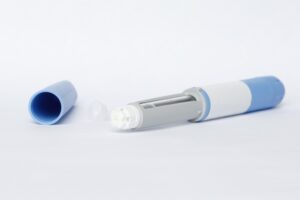
 Medically supervised weight loss injections are often discussed as a modern, non-surgical approach to weight management. This blog post explores key questions to ask, common misconceptions, and how to determine whether this option may align with your health needs and long-term goals.
Weight loss solutions are everywhere, and it can be difficult to sort through what is credible, effective, and appropriate for your individual situation. Medically supervised weight loss injections have gained attention in recent years, but deciding whether they are right for you requires more than simply understanding how they work. It involves an honest assessment of your health history, expectations, and willingness to commit to long-term care.
In today’s blog post, our experienced bariatric surgeon in Alexandria, Louisiana, Dr. James Parrish, offers tips and information that can help you think through that decision by focusing on practical considerations rather than promises or outcomes.
Start With the Right Question: What Is Your Goal?
Before considering any weight loss treatment, it is important to clarify your primary goal. For some individuals, the focus is modest weight reduction to improve energy levels or mobility. For others, the goal is significant weight loss to reduce health risks associated with obesity.
Medically supervised weight loss injections may be appropriate for patients seeking gradual, medically guided support who are not ready for or do not yet need surgical intervention. However, for individuals with more severe obesity or multiple obesity-related conditions, a different approach may be more effective. Understanding your goal helps frame whether injections are a reasonable starting point or whether a more intensive treatment may be needed.
Understanding the Commitment Involved
One common misconception is that weight loss injections are a quick or passive solution. In reality, medically supervised programs require ongoing participation. Regular follow-up appointments, nutritional guidance, and lifestyle adjustments are essential components of care.
Patients who do best with injectable weight loss therapies are typically those who are willing to engage actively in the process. This includes tracking progress, discussing challenges openly with their provider, and making sustainable changes to eating and activity habits. If consistency and follow-up feel unrealistic at this stage of life, injections may not deliver meaningful or lasting results.
Medical Factors That Matter
Not everyone responds to weight loss treatments in the same way. Factors such as metabolic health, previous weight loss attempts, and underlying medical conditions all influence outcomes. This is why a thorough medical evaluation is a critical first step.
A medically supervised program allows a physician to assess whether injectable therapy is appropriate based on your individual health profile. In some cases, patients may discover that injections are not advisable or that another treatment option offers a better balance of safety and effectiveness.
How Injections Fit into the Bigger Picture
Weight loss injections are best viewed as one tool within a broader spectrum of weight management options. They do not replace healthy habits, nor do they address every cause of weight gain. For some patients, injections may help bridge the gap between lifestyle changes and more advanced interventions.
It is also important to recognize that weight loss needs can change over time. A patient who begins with non-surgical treatment may later be better suited for bariatric surgery, while others may achieve sufficient progress through medical management alone. Ongoing medical oversight allows treatment plans to evolve as needs change.
Comparing Non-Surgical and Surgical Options
A frequent question patients ask is whether weight loss injections can replace bariatric surgery. The answer depends largely on the individual. Injections do not alter the anatomy of the digestive system and generally result in more gradual weight loss. Bariatric surgery, by contrast, can produce structural and metabolic changes that may lead to more substantial and durable results.
For patients with higher body mass indexes or significant obesity-related health issues, weight loss surgery options such as gastric bypass, duodenal switch, gastric sleeve surgery, or others may provide benefits that injections cannot. A bariatric surgeon such as Dr. Parrish is uniquely qualified to help patients understand these differences and determine which option can align best with their long-term health goals.
Setting Expectations Early
Another important factor in deciding whether weight loss injections are right for you is expectation management. These treatments are not designed to deliver rapid or guaranteed outcomes. Progress can vary, and plateaus are common. Patients who approach treatment with patience and realistic expectations are more likely to remain engaged and satisfied with their care.
Understanding that weight management is an ongoing process, rather than a finite treatment, can help patients make more informed and confident decisions.
The Value of Expert Guidance
With so many weight loss options available today, expert guidance plays a critical role. A medically supervised program led by a bariatric surgeon offers a comprehensive perspective that includes both non-surgical and surgical options. This can help ensure that recommendations are based on medical appropriateness rather than a single treatment approach.
An open discussion with a qualified provider can help clarify risks, benefits, and alternatives, allowing you to move forward with confidence.
Deciding What’s Right for You
Ultimately, determining whether medically supervised weight loss injections are right for you depends on your health history, goals, and readiness to commit to a structured program. Taking the time to explore your options and seek professional evaluation can help you choose a path that supports not only weight loss, but overall health and well-being.
Key Takeaways
- Medically supervised weight loss injections are a tool within a broader weight management strategy, not a standalone solution.
- The right treatment depends on individual goals, medical history, and willingness to engage in ongoing care.
- Injections may be appropriate for some patients, while others may benefit more from bariatric surgery or another approach.
- Realistic expectations and long-term commitment are essential for meaningful results.
A consultation with an experienced bariatric surgeon can help determine the most appropriate and effective approach for your needs. If you would like more information, or if you are ready to schedule a consultation with Dr. Parrish to talk about your concerns and goals, please contact us today.